
E-Bike Battery Packs for Brands & Distributors
Develop a pack for a new e-bike platform or qualify a second source for an existing model. Start with a 48V 15–20 Ah configuration for external downtube or frame-integrated projects.
Compare 36V, 48V and 72V options, then share your frame drawing or reference pack to discuss fit, electrical requirements and sample options.
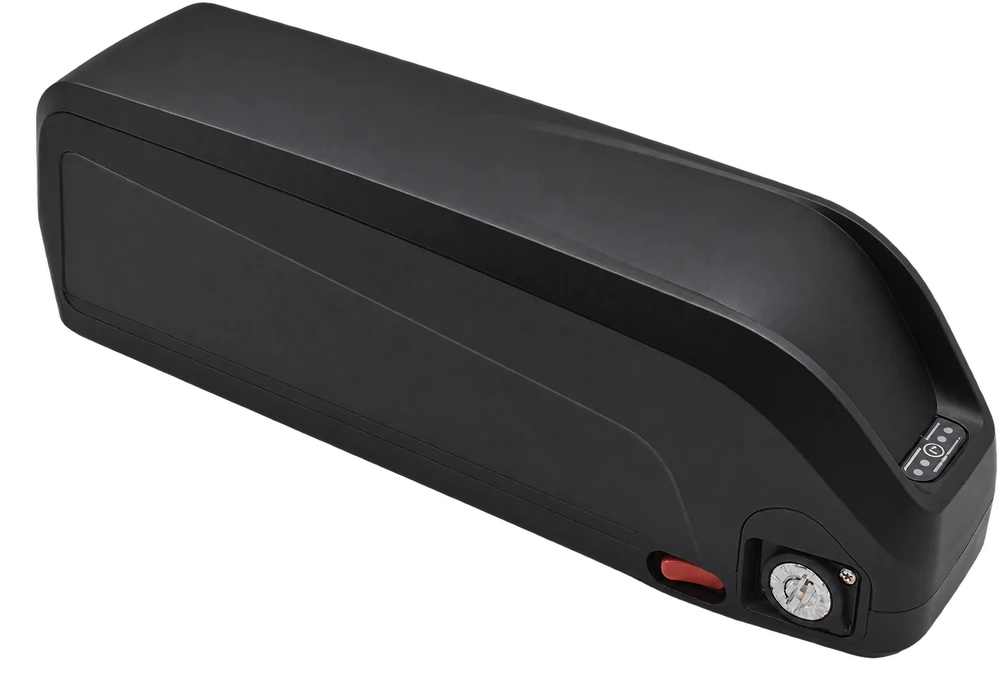
Match the pack to your e-bike platform
Review the frame and electrical system before choosing a battery configuration.
Check the physical fit
Review the frame cavity or mounting rail, lock position and clearance to remove the pack.
Match the electrical system
Confirm controller voltage and current limits, charger compatibility, connector and communication requirements.
Plan your sample review
Share the intended application, sample quantity, production forecast and destination market.
Compare 36V, 48V & 72V configurations
Start with the 48V 15–20 Ah configuration. These are project targets. Confirm exact voltage, available enclosure, current limits and cell chemistry on the proposed datasheet.
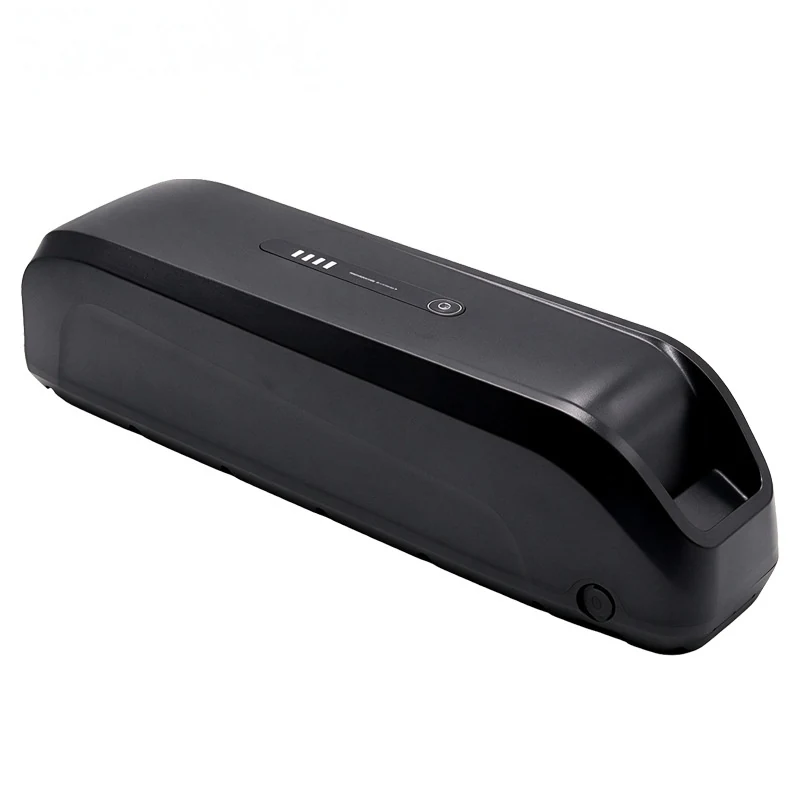
48V E-Bike Battery
15–20 Ah · 720–960 Wh
External downtube or frame-integrated packs for OEM and replacement projects.
Discuss 48V configuration →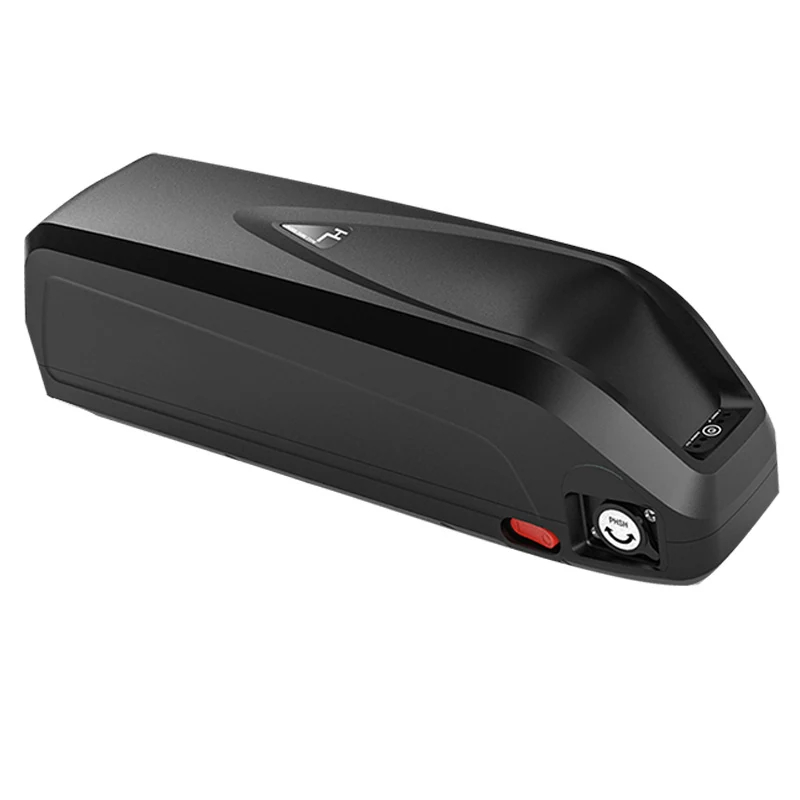
36V E-Bike Battery
10–15 Ah · 360–540 Wh
Compact downtube or rear-rack configurations for commuter bikes.
Discuss 36V configuration →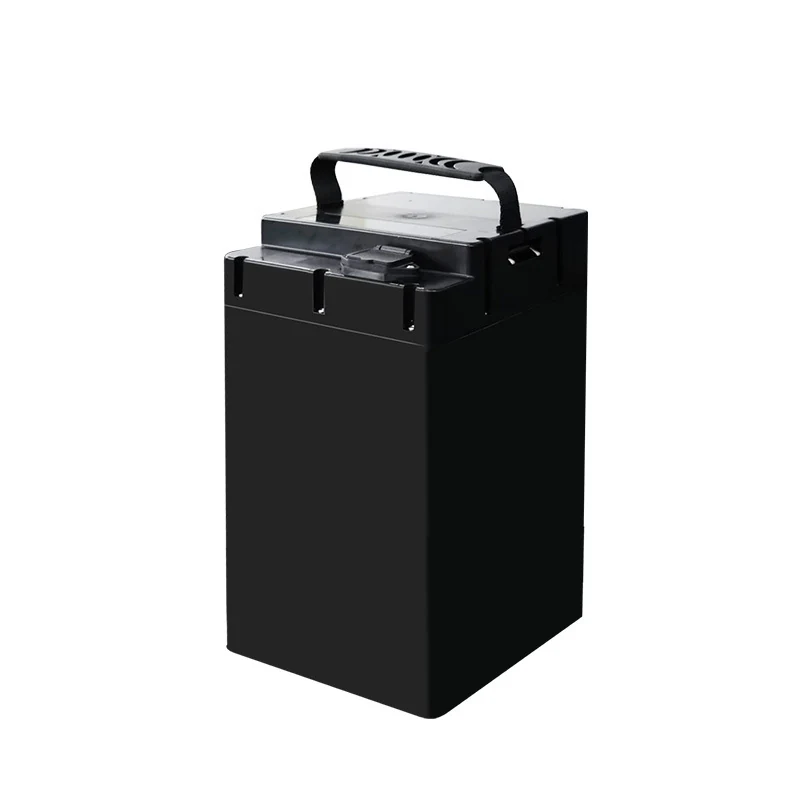
72V E-Bike Battery
20–30 Ah · 1,440–2,160 Wh
Hard-case configuration for high-power off-road projects. Confirm enclosure dimensions and mounting before sample evaluation.
Discuss 72V configuration →| Voltage class | Target capacity | Estimated energy | Enclosure options |
|---|---|---|---|
| 48V | 15–20 Ah | 720–960 Wh | Downtube or frame-integrated |
| 36V | 10–15 Ah | 360–540 Wh | Compact downtube or rear rack |
| 72V | 20–30 Ah | 1,440–2,160 Wh | Hard case / project-specific enclosure |
Estimated energy uses voltage class × target capacity. On mobile, swipe the table to compare the full specifications.
Check the case and mounting rail
Compare your available frame space with the proposed Hailong enclosure and its matching base.
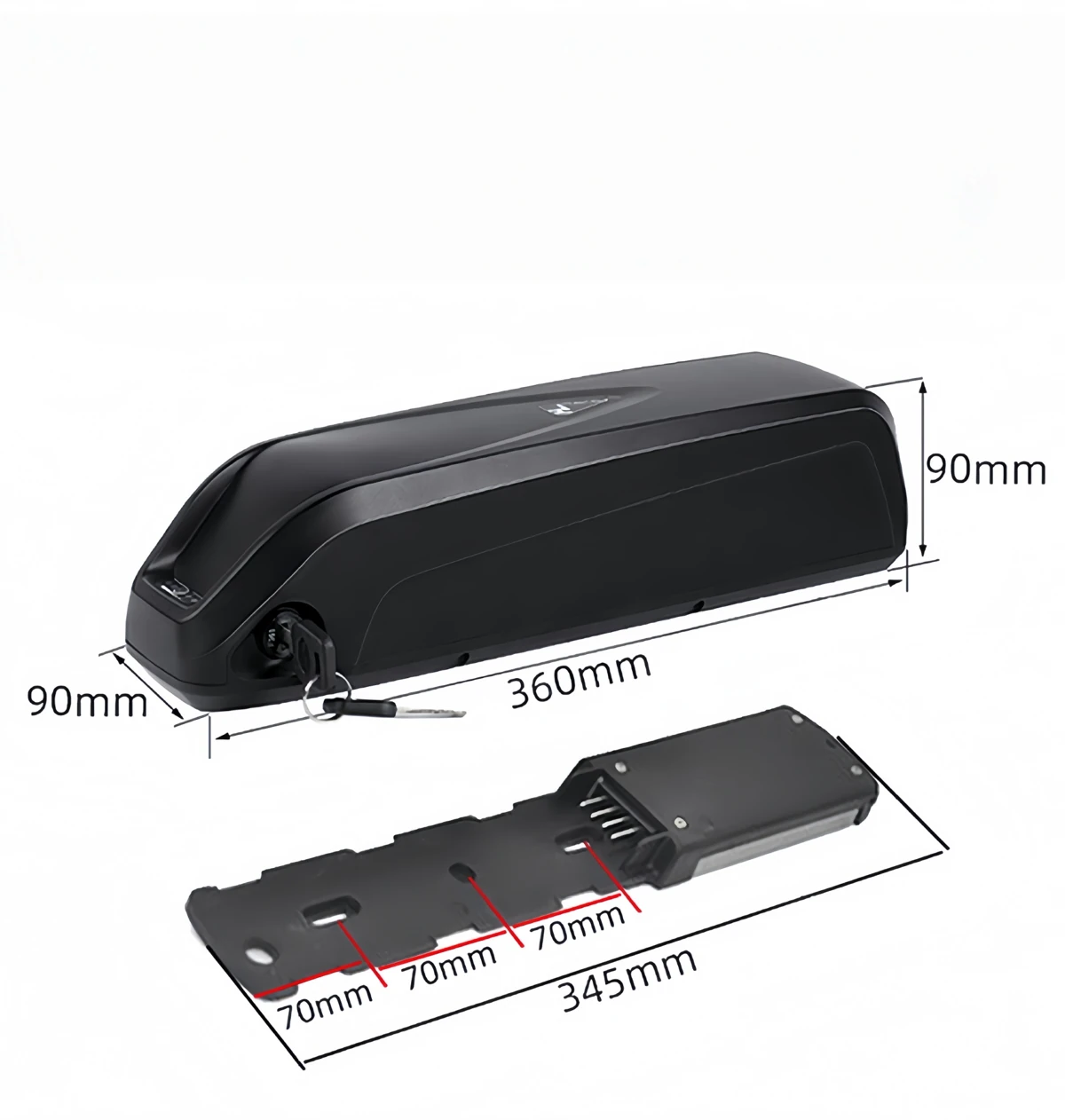
Case dimensions
The image marks a 360 × 90 × 90 mm enclosure. Confirm the drawing for your selected case, with space for cables and battery removal.
Matching mounting base
The illustrated base is marked 345 mm long. Share photos of your rail, frame mounting points and connector to review the proposed fit.
Send your installation details
Include a frame drawing or clear photos, available space and the original battery or rail details.
Request a Fit ReviewPrepare your OEM project
- Bike platform and frame drawing or reference battery
- Voltage, target capacity and continuous and peak current
- Charger, connector and communication requirements
- Sample quantity, projected volume and destination
Check replacement fit
- Bike model and year, original battery model and label photo
- Rail dimensions, lock and connector photos
- Original charger and communication requirements
- Expected purchase quantity and destination
Qualify the pack for your product range
Define the project
Send the bike model, frame drawing, target voltage, capacity and planned volume.
Review the configuration
Agree the enclosure, cells, BMS, connector and evaluation criteria for the proposed pack.
Evaluate a sample
Check mounting, removal clearance, charging and operation with the intended bike system.
Confirm volume supply
Agree the approved specification, labels, packaging, inspection and written supply terms.
Before you choose an e-bike battery
Can I specify the cells, BMS and enclosure?
Share your requirements for the cells, BMS and case. The proposed configuration depends on space, load and project volume.
What documentation can I request?
Ask for a model-specific datasheet, dimensional drawing and available test or transport documents for your destination market.
Discuss your e-bike battery project
Tell us which bike platform or reference battery you are working with. Include any available drawings or photos and the quantity you are evaluating.