
APPLICATION ENGINEERING · B2B SUPPLY

Lithium Battery Solutions Built Around Your Application

Turn your equipment requirements into a clear battery specification. Leadmax works with importers, distributors, OEMs and battery brands on model selection, configuration review and sample evaluation.

Start with the application, installation space and power demand. Then agree the evaluation plan and supply requirements for your project.

Leadmax lithium battery solutions
FIND YOUR APPLICATION

Choose the system you need to power

Each application needs its own electrical, mechanical and operating review. Use the relevant range as a starting point, then share your equipment details for model selection.

Golf Cart & LSV battery application

Golf Cart & LSV

Review 36V, 48V and 72V-class battery requirements around the cart, controller demand and installation space. Agree the battery, charger, gauge, cables and mounting hardware as a defined kit.

Share for review:
Cart model and year · controller limits · tray dimensions · loaded driving cycle


Explore Golf Cart Batteries →
RV & Overland battery application

RV & Overland

Compare slimline and house-power batteries for campervans, RVs and 4WD installations. Discuss available space, daily energy use, inverter load and charging sources.

Share for review:
Installation drawing · daily consumption · inverter surge · charger / DC-DC details

Explore Slimline Batteries →
Marine & Fishing battery application

Marine & Fishing

Define house-power, trolling or starting requirements separately. Review moisture exposure, mounting, charger compatibility and any communication or enclosure options for the selected model.

Share for review:
Load type · voltage · current demand · exposure · charging and communication

Explore Deep Cycle Batteries →
Energy Storage Systems battery application

Energy Storage Systems

Discuss storage around energy demand, autonomy, inverter integration and installation conditions. Project voltage, communication, expansion and documentation need a defined engineering scope.

Share for review:
Energy requirement · inverter model · site conditions · expansion · destination

Discuss an ESS Project →
Car Audio & Motorsport battery application

Car Audio & Motorsport

Separate engine-starting demands from audio or auxiliary loads. Review continuous and burst current, voltage behaviour, available space and charging conditions for a focused configuration.

Share for review:
System voltage · RMS / peak load · burst duration · alternator · mounting space

Explore Car Audio Requirements →
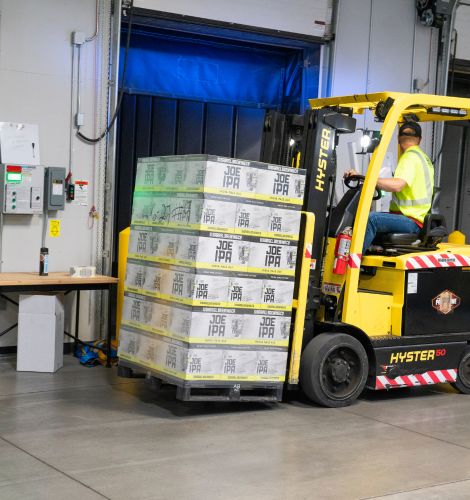
Industrial Forklift & AGV battery application

Industrial Forklift & AGV

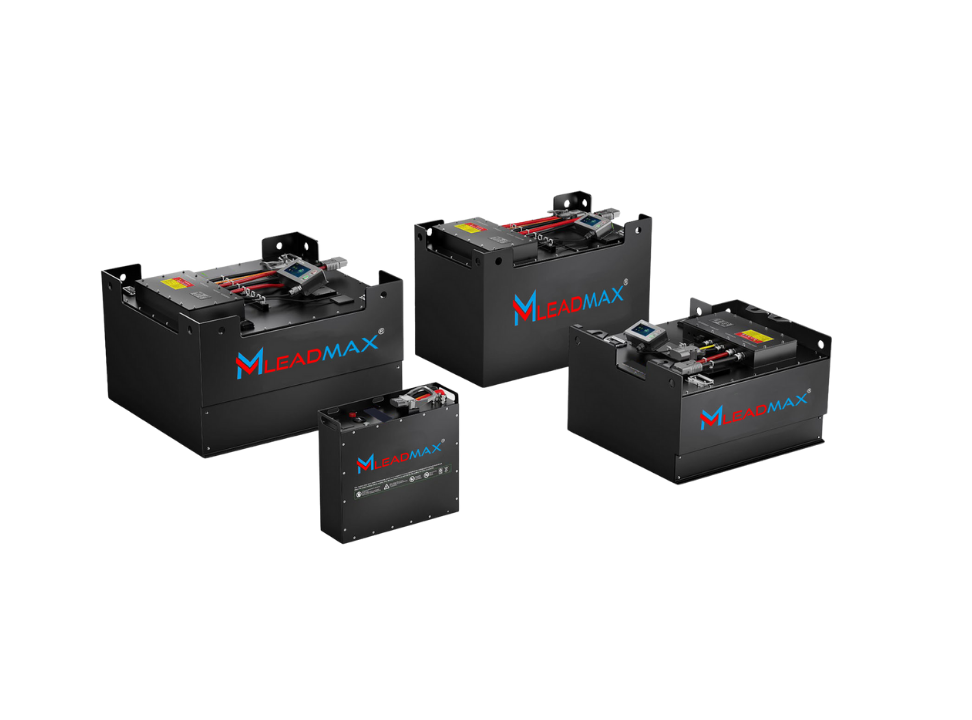
Build the battery review around the equipment platform and duty cycle. Confirm electrical limits, enclosure, charging interface and communication before defining a pilot installation.

Share for review:
Equipment model · duty cycle · peak current · charger · communication protocol

Discuss Industrial Requirements →
CHOOSE YOUR SUPPLY PATH

From an existing model to a tailored configuration

Choose a starting point that matches your product maturity, installation constraints and planned volume.

Standard model selection

For distributors and dealers building a product range. Compare existing case formats, voltage and capacity, then confirm fitment, options and the current datasheet.

Browse Battery Models →

Space-saving configuration

For installations with limited clearance or unusual mounting needs. Start with a dimensioned drawing, terminal access and cable routing to review slimline or custom-case options.

Explore Slimline Options →

OEM / ODM development

For brands and equipment projects with defined requirements. Review BMS functions, interfaces, structure, labels and packaging against an agreed development and sample scope.

Discuss an OEM / ODM Project →
PREPARE YOUR PROJECT BRIEF

The details that make an engineering review useful

A concise brief helps us identify a suitable model, clarify configuration options and prepare an accurate quotation.

Project information checklist
AreaWhat to provideWhat we review
Equipment & useApplication, equipment model, runtime and duty cycleBattery role and operating requirements
Electrical demandVoltage, capacity or energy, continuous and peak current, peak durationProposed battery and BMS limits
Mechanical fitDrawing, available space, mounting, terminals and cable accessCase layout and installation feasibility
Charging & integrationCharger / inverter / controller model and communication protocolElectrical and interface compatibility
Environment & marketTemperature, moisture exposure, destination and required standardsConfiguration and documentation requirements
Supply planSample needs, volume, branding, target delivery and shipping termsEvaluation scope and quotation basis

Documentation, enclosure protection, cycle performance, MOQ and timing are confirmed for the selected model and project. On mobile, swipe the checklist horizontally.

SAMPLE TO VOLUME SUPPLY

A shared specification at every stage

01 · Review

Clarify equipment, installation conditions, destination and target performance.

02 · Define

Agree the proposed model, configuration, interfaces and evaluation criteria.

03 · Evaluate

Test the sample in the intended system and review results before specification approval.

04 · Supply

Confirm configuration version, inspection, packaging, delivery and support terms for production.

CHANNEL & BRAND SUPPORT

Plan service alongside the product

Define the information your sales, installation and support teams need before a product enters your range.

  • Datasheet, dimensional drawing and installation requirements.
  • Bluetooth monitoring and diagnosis on selected configurations.
  • Service access and detachable BMS options where available.
  • Private labels, packaging and approved artwork.
  • Fault information and a written warranty assessment process.
MANUFACTURING & DOCUMENTATION

Verify the requirements for your order

Discuss the applicable inspection process and documents for your exact battery and destination. Review scope, availability and timing before confirming the order.

  • Approved specification and version control.
  • Agreed functional and protection checks.
  • Relevant transport and market documentation.
  • Packing, logistics and shipping terms.
  • Sample and production timing in the quotation.
PROJECT QUESTIONS

Before you start a battery solution project

Can we start with an existing model and add our brand?

Yes, discuss the proposed model, brand artwork, packaging and order plan. Customization scope, MOQ and timing are confirmed against the selected configuration.

What if our installation space is unusual?

Send a dimensioned drawing or measurements with mounting points, terminal access and cable-clearance requirements. Our team can review an existing slimline model or a custom-case approach.

How are compatibility and performance confirmed?

Review the specification against the charger, controller, inverter or equipment, then agree representative sample tests. Confirm performance under your intended load, temperature and operating conditions before volume supply.

Can the project meet our required standards?

Provide the destination market and exact standards or documents required. Our team will confirm the applicable evidence, available scope and any additional evaluation needed for the proposed model.

How long will samples and production take?

Timing depends on the existing platform, customization, component availability, evaluation scope and order volume. Agree sample and production milestones in the project quotation.

Have a drawing, specification or installation challenge?

Send your application, available space, voltage, power demand, planned quantity and destination. We will review the most suitable starting point for your battery project.

Scroll to Top