
Lithium Golf Cart Batteries for Dealers, Fleets & Brands
Source 36V, 48V and 72V-class battery solutions around the carts your customers operate. Leadmax works with importers, golf cart dealers and private-label brands on battery selection and conversion-kit requirements.
Start with the cart model, controller demand and battery tray. Then confirm the battery, charger, gauge and installation accessories in your quotation.

Match the battery to the cart before comparing price
A successful lithium conversion depends on more than voltage and capacity. Define the equipment and duty cycle first so your sample evaluation reflects the installation you plan to sell.
Cart & controller
Share the cart make, model, year and controller specification. Confirm continuous and peak current, motor demand and any controller upgrades.
Tray & mounting
Check the available tray dimensions, mounting points, cable routing and terminal clearance. Brackets and harnesses must match the actual installation.
Charging & daily use
Define driving hours, terrain, passenger or cargo load and charging windows. Confirm charger settings, connector type and low-temperature charging needs.
36V / 48V / 72V-class solutions
Select the system voltage for your cart, then request a model-specific datasheet. Capacity, BMS limits and enclosure dimensions depend on the approved configuration.
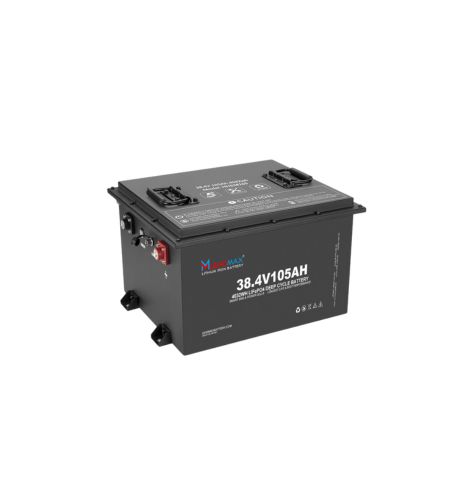
36V-Class Golf Carts
Review a 36V-class conversion with the appropriate LiFePO4 battery voltage, charger and current limits.
Discuss a 36V Configuration →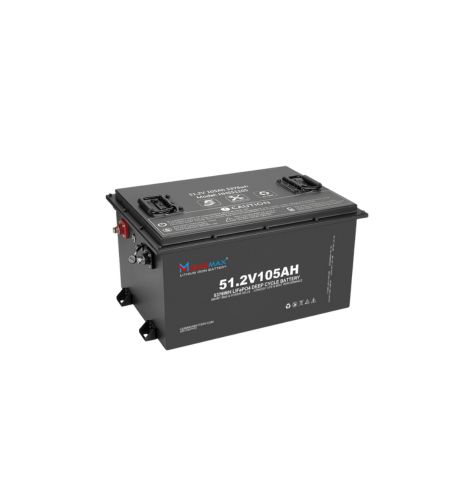
48V-Class Golf Carts
Compare 51.2V nominal battery configurations for suitable 48V-class cart systems. Confirm the controller and charger voltage range.
Discuss a 48V Configuration →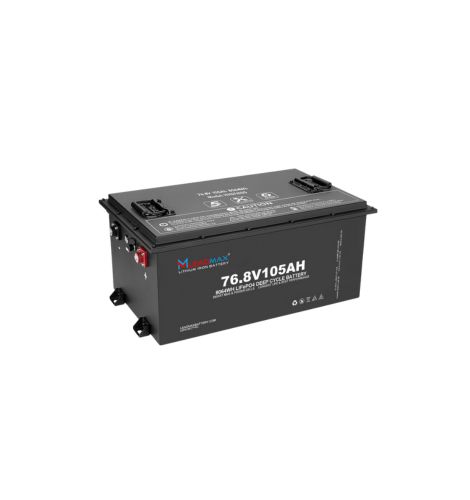
72V-Class Golf Carts
Discuss higher-voltage cart requirements with the exact controller, motor and installation dimensions before selecting a battery.
Discuss a 72V Configuration →| Model | Nominal voltage | Capacity | Dimensions (mm) | Weight |
|---|---|---|---|---|
| LM3850GC | 38.4V | 50Ah | 385 × 338 × 245 | 27 kg |
| LM5150GC | 51.2V | 50Ah | 460 × 334 × 232 | 35 kg |
| LM51105PGC | 51.2V | 105Ah | 585 × 330 × 250 | 46.8 kg |
These figures retain the existing technical model table. Request the current datasheet to confirm the exact model, dimensions, weight, BMS current ratings and charge limits before ordering. Ask for the proposed 72V-class specification separately. On mobile, swipe the table horizontally.
Agree what is included in your kit
Build the quotation around the items your installation team needs. Confirm every component and connection before sample shipment.
- Battery: selected voltage, capacity, BMS and monitoring functions.
- Charger: battery-compatible settings, AC input, regional plug and cart charging connector.
- SOC gauge: display type, connection and mounting position.
- Cables & hardware: harness lengths, connectors, brackets and mounting fasteners.
- 12V accessories: review the need for a suitable DC-DC converter and its load rating.
Kit contents vary by quotation. Accessories shown or discussed should not be assumed to be included with every battery.
Confirm compatibility for your cart range
For Club Car, EZGO, Yamaha or other carts, provide the exact model and year, controller label, tray measurements and connector photos.
- Check controller voltage limits and continuous / peak current demand.
- Review charger interlocks, wiring, gauge communication and existing accessories.
- Confirm clearances, cable protection and mounting security.
- Validate the complete installation with a sample before rolling out across a fleet or dealer range.
A brand name alone does not establish compatibility. Fitment is confirmed for the specific cart and configuration.
Plan the product and the support behind it
Discuss branding, installation information and service requirements alongside the battery specification.
OEM / ODM configuration
Review case layout, terminals, labels, packaging and selected BMS or communication options against your technical requirements and planned volume.
Monitoring & diagnosis
Confirm available Bluetooth functions, gauge information and fault-reporting procedures for the selected model. Define what your dealer team can check before a service return.
Documentation & warranty
Agree the current datasheet, installation guidance, applicable transport documentation, inspection criteria and written warranty terms for your order and destination.
A practical evaluation path
01 · Define
Share your cart details, load profile, tray dimensions, target quantity and destination.
02 · Specify
Confirm the proposed battery, kit contents, wiring and evaluation criteria.
03 · Test
Evaluate starting, hill climbs, loaded driving, charging and gauge operation in your intended cart.
04 · Scale
Approve the configuration, inspection requirements, packaging, delivery and support terms before volume supply.
Before you order a golf cart battery
Can I reuse the existing lead-acid charger?
Do not assume it is suitable. Confirm the charger’s voltage profile, settings, connector and compatibility with the proposed LiFePO4 battery. Include the charger in the technical review and sample test.
How much driving range can we expect?
Range depends on usable battery energy, terrain, speed, passenger or cargo load, tyres, cart condition and temperature. Agree a test route and representative load to evaluate the proposed configuration.
Does each battery include a complete conversion kit?
No single kit scope should be assumed. Confirm the battery, charger, gauge, cables, brackets and DC-DC converter individually in the quotation and packing list.
Can you support samples and private-label orders?
Discuss sample evaluation and branding requirements with our team. MOQ, price, lead time and customization scope depend on the selected configuration and order quantity.
How should dealers compare total ownership cost?
Compare the quoted battery and kit cost, installation labour, charging, expected usage, maintenance and written warranty terms for the same duty cycle. Use your operating data rather than a universal savings percentage.
What information is needed for an accurate quotation?
Send the cart make, model and year; controller specification; tray measurements; desired voltage and capacity; kit requirements; quantity; and destination. Add branding, documentation and target delivery requirements where relevant.
Build the right battery package for your cart range
Send your cart model, controller details, target capacity, planned quantity and destination. We will review the battery and kit scope needed for your quotation.