
LiFePO4 Deep Cycle Batteries for Marine, RV & Off-Grid Power
Build your deep-cycle battery range around the equipment your customers use. Leadmax supplies LiFePO4 battery configurations for importers, distributors and private-label brands.
Match system voltage, daily energy demand and installation space, then review the BMS, charging and service options for your selected model.

Select around runtime, load and installation
Start with the appliances and equipment your customers need to power. A focused specification helps your team compare suitable batteries and evaluate samples under realistic operating conditions.
Plan usable energy
Share daily consumption, required runtime and charging opportunities. Review usable capacity and discharge limits against the proposed battery and duty cycle.
Match load & charging
Confirm continuous current, inverter surge demand and the charger or solar-controller profile. BMS protection settings are selected for the application.
Fit the installation
Compare case dimensions, terminals, cable access and mounting space. Discuss slimline, enclosure and service-access options where the layout requires them.
Start with your system voltage
Discuss 12V, 24V and 48V-class configurations, with 100Ah, 200Ah and 300Ah capacity requirements as starting points for model selection. Availability and specifications are confirmed for each voltage and enclosure combination.
12V-Class Systems
Review house-power and auxiliary installations for RVs, boats and off-grid equipment. Confirm the actual nominal voltage, load limits and charging settings in the datasheet.
Discuss a 12V Configuration →24V-Class Systems
Match the battery to equipment designed for a 24V-class supply. Review the system wiring, charger and current demand as a complete installation.
Discuss a 24V Configuration →48V-Class Systems
Discuss off-grid storage and higher-voltage equipment requirements. Confirm inverter communication, battery integration and expansion needs for engineering review.
Discuss a 48V Configuration →| Selection item | Information for your quotation | Why it matters |
|---|---|---|
| Voltage & capacity | Nominal voltage, Ah, energy and usable capacity | Matches equipment and runtime requirements |
| Discharge current | Continuous current, peak current and peak duration | Supports normal loads and starting surges |
| Charging | Charge voltage, current, charger type and temperature limits | Aligns the battery with the charging system |
| Physical fit | Dimensional drawing, weight, terminals and mounting | Checks installation and cable clearance |
| System expansion | Approved series / parallel arrangement and connection guidance | Confirms the BMS and system architecture |
| Evidence & support | Cycle-test conditions, applicable documents and written warranty | Supports technical evaluation and after-sales planning |
Final parameters are model-specific. Request the current datasheet and approved configuration with your quotation. On mobile, swipe the table horizontally.
Power the systems your customers depend on

Marine house power
Review lighting, refrigeration, electronics and other onboard house loads. Define charger compatibility, moisture exposure and mounting conditions; enclosure sealing and communication options are confirmed for the selected model.

RV & campervan systems
Build the specification around appliances, inverter demand and daily energy use. Review solar, mains and DC-DC charging together, and compare case layouts against the available installation space.
Explore Slimline Options →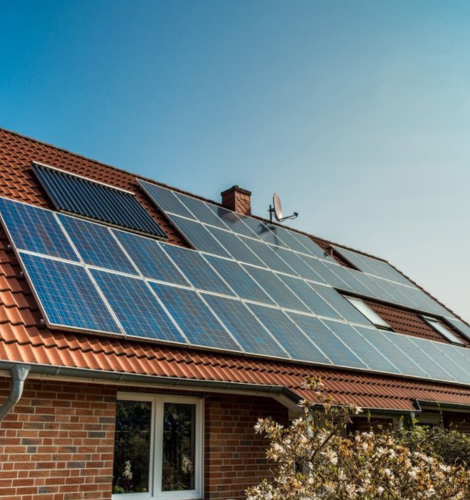
Solar & off-grid storage
Discuss energy demand, autonomy, charging conditions and inverter integration. Confirm communication and expansion requirements for a coordinated battery and power-system design.
Define features around your market
Choose the features your installers and service teams need, then confirm their availability on the proposed model.
- Bluetooth monitoring and diagnostic information.
- Self-heating and low-temperature charging requirements.
- Detachable BMS and service access on selected configurations.
- Case material, dimensions, finish and terminal layout.
- CAN / RS485 or marine communication for compatibility review.
- Private labels, packaging and brand artwork.
Options vary by model. Marine exposure, enclosure protection and any claimed IP rating require specific confirmation.
Prepare for sales, installation and service
Align the product specification with the information your channel needs before adding a model to your range.
- Current datasheet and dimensional drawing for product evaluation.
- Charger settings, installation guidance and approved connection arrangements.
- Fault information and a defined warranty assessment process.
- Model-specific transport and market documentation requirements.
- Approved labels, packaging and inspection criteria for volume supply.
A clear path to your next battery order
01 · Define
Send the application, system voltage, runtime, load, installation dimensions and destination.
02 · Specify
Review the proposed model, BMS settings, options and documentation requirements.
03 · Evaluate
Test a sample with your charger, loads and intended operating conditions.
04 · Supply
Agree the approved configuration, quantity, inspection, packaging, delivery and support terms.
Before you select a deep-cycle battery
Can a deep-cycle battery also start an engine?
Engine starting requires a battery rated for the cranking demand and charging system. Specify house-power and starting requirements separately, then ask our team to review the appropriate deep-cycle, starter or dual-purpose model.
Can these batteries be connected in series or parallel?
Expansion depends on the specific BMS, battery model and approved system design. Confirm the permitted arrangement, number of units, balancing and installation guidance for the exact battery you plan to order.
Can we use our existing charger or solar controller?
Provide the equipment model and charging profile. Our team will review voltage, current and temperature requirements against the proposed LiFePO4 battery before sample evaluation.
What should we confirm for marine and cold-weather installations?
Define water or moisture exposure, corrosion conditions and the temperature range during charging and discharge. Confirm the appropriate enclosure, installation protection and any self-heating option for the selected configuration.
How are cycle life, certifications and warranty confirmed?
Request the selected model’s cycle-test conditions, applicable documentation and written warranty terms. These details depend on the battery configuration, operating conditions and destination market.
Can you supply samples and private-label orders?
Discuss your target model, branding, evaluation requirements, planned quantity and destination. Sample cost, MOQ, customization scope, lead time and shipping terms are confirmed with the quotation.
Build the right deep-cycle range for your customers
Share your application, system voltage, target capacity, load requirements, quantity and destination. We will review a suitable model and the details needed for your quotation.